


TOURISM INFORMATIN
رزرو آنلاین - فارسی
رزرو آنلاین انگلیسی
Tourist Attractions in Shiraz: Every Name Has a Story, Every Place a Reason to Visit
Shiraz, one of the oldest and most beautiful cities in Iran, is a favorite destination for both domestic and international travelers, thanks to its rich historical, cultural, and natural attractions. On this page, we've taken a unique approach to introduce some of Shiraz's most remarkable tourist sites. Each location is not only explored for its beauty and tourism value but also through the lens of two key questions: What is the story behind its name? And why is it worth visiting? If you're looking for a deeper understanding of Shiraz's landmarks and the reasons that make each of them special, stay with us.
Qur’an Gate of Shiraz: A Symbol of Blessing and History
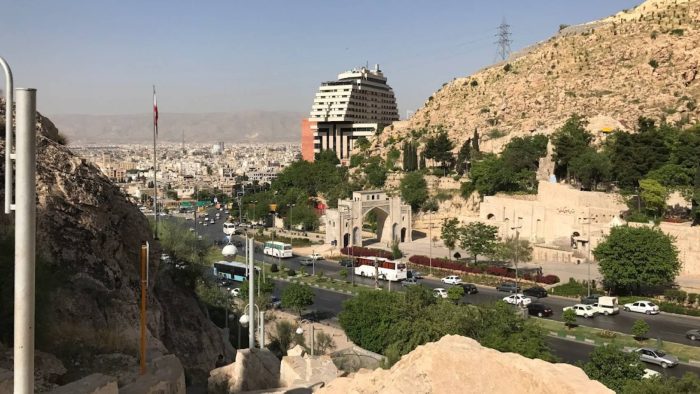
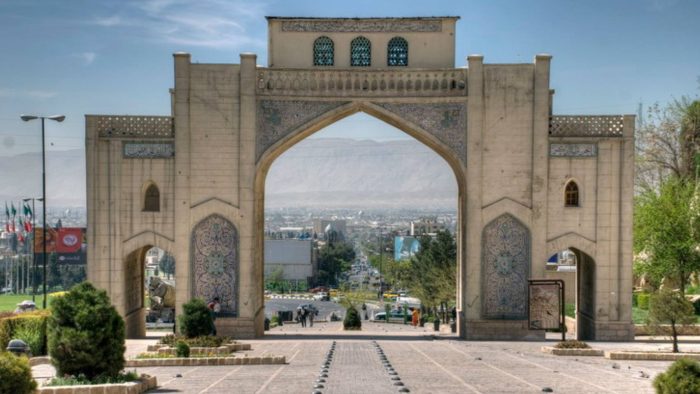
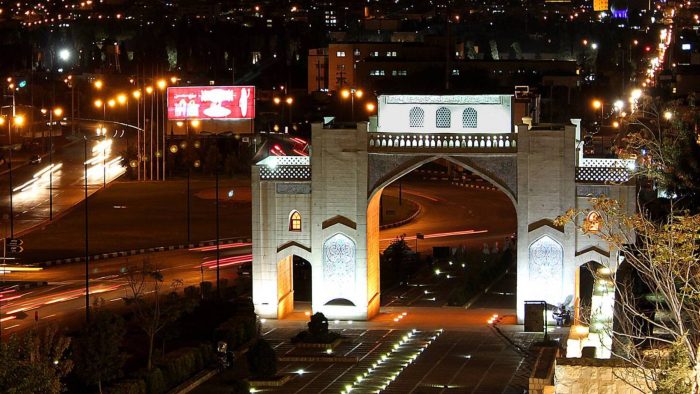
The Qur’an Gate is one of Shiraz’s most iconic historical and spiritual landmarks, located at the northern entrance of the city. For centuries, it has been a passage for travelers, and legend says that crossing beneath it brings blessings and good fortune.
The Story Behind Its Name
During the Buyid dynasty, Azud al-Dawla Dailami ordered a large Qur’an to be placed atop the gate so that travelers passing beneath it would be under divine protection. This tradition continued during the Zand era, when Karim Khan Zand placed a famous copy of the Qur’an, known as "Hafteen Man Qur’an", inside the gate.
The Rise and Fall of a Historic Monument
Under Reza Shah Pahlavi, the original structure was demolished, but in the 1940s, a philanthropist from Shiraz, Haj Hossein Igar, rebuilt it. Today, the gate stands in its former grandeur and remains one of Shiraz’s most significant tourist attractions.
Why Visit Qur’an Gate?
A Stunning Viewpoint – Located near Tang-e Allah Akbar and Khwaju Kermani’s tomb, the gate offers a breathtaking panorama of Shiraz.
Magical Night Illumination – At night, the beautifully lit structure creates a peaceful and enchanting atmosphere.
A Legendary Tradition – It is believed that passing under the Qur’an Gate with good intentions ensures a blessed and prosperous journey.
More Than Just a Gate
Qur’an Gate is not merely a historical monument—it is a reflection of faith, culture, and identity in Shiraz. If you ever visit this mesmerizing city, make sure to stop by and experience its timeless charm!
Hafezieh: The Resting Place of Love and Mysticism
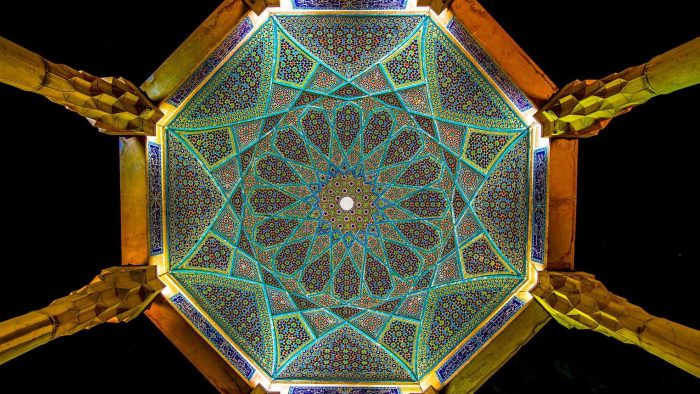
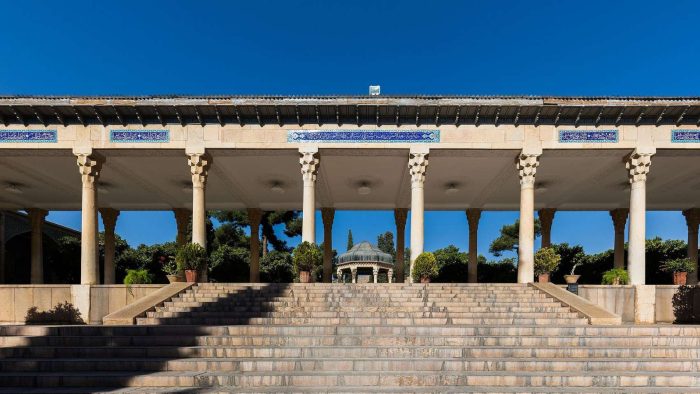
Hafezieh, the mausoleum of the great Persian poet Hafez, is a place where poetry, music, and spirituality intertwine. More than just a tomb, it stands as a symbol of love, mysticism, and Iranian culture.
The Enchantment of Hafezieh
Hafezieh is not merely a burial site—it is a sanctuary for reflection, inspiration, and tranquility. Every year, thousands of visitors from around the world come here to seek guidance from Hafez’s poetry and immerse themselves in his timeless verses.
A Legacy of History and Stunning Architecture
Originally built during the Timurid era, the current structure was designed during the Pahlavi period by André Godard, a French architect. The blend of Persian and modern architecture, surrounded by lush gardens and turquoise pools, creates a dreamlike atmosphere.
Why Visit Hafezieh?
Magical Nights – Soft lighting and the distant sound of traditional music make Hafezieh an enchanting place after sunset.
The Ritual of Hafez’s Divination – A cherished Iranian tradition is opening Hafez’s Divan at his tomb to seek guidance. Many believe his words hold profound and surprising answers.
A Haven of Serenity – The harmony of nature, architecture, and mysticism offers an unparalleled sense of peace.
Hafezieh: A Sanctuary for Romantic Souls
Hafezieh is more than a mausoleum—it is a spiritual retreat where hearts connect through poetry and mysticism. If you ever visit Shiraz, set aside time to sit in this timeless space and let the verses of Hafez speak to your soul.
Eram Garden: A Slice of Paradise in the Heart of Shiraz


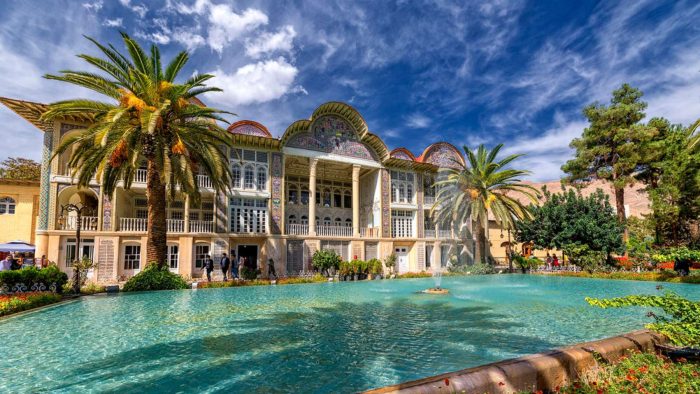
Eram Garden, one of Iran’s most stunning historical gardens, is a masterpiece of nature and architecture with a history spanning several centuries. Listed as a UNESCO World Heritage Site, this garden represents the grandeur of Persian landscape design, offering a dreamy setting for a stroll among towering trees and vibrant flowers.
The Story Behind the Name "Eram"
The name "Eram" originates from Persian poetry, where it is described as a heaven on earth. It is believed that the garden was established during the Seljuk era and later expanded and restored through the Zand and Qajar periods.
A Harmony of Nature and Persian Architecture
At the heart of the garden stands a magnificent Qajar-era mansion, adorned with exquisite tilework, elegant columns, and a serene veranda. The large reflecting pool in front of the mansion creates a breathtaking view as the building’s reflection shimmers in the crystal-clear water.
Why Visit Eram Garden?
Majestic Trees – The garden is home to ancient, sky-high trees, including a thousand-year-old cypress, a symbol of resilience and beauty.
A Paradise of Flowers – In spring, the garden blooms with fragrant roses and vibrant blossoms, creating a magical atmosphere.
Soothing Water Features – The flowing water and charming fountains add an element of tranquility, making Eram Garden a true sanctuary of peace.
Eram Garden: A Place for Serenity and Inspiration
With its timeless beauty, Eram Garden is a place where you can wander for hours, immerse yourself in nature, and admire the rich history and architecture. If you visit Shiraz, don’t miss the chance to experience this enchanting oasis!
Karim Khan Citadel: A Majestic Fortress in the Heart of Shiraz
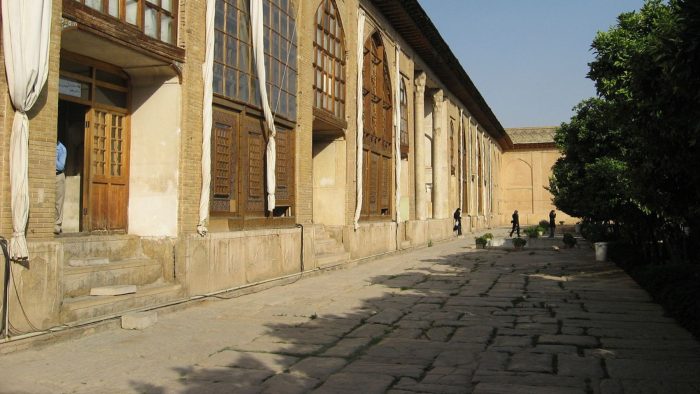
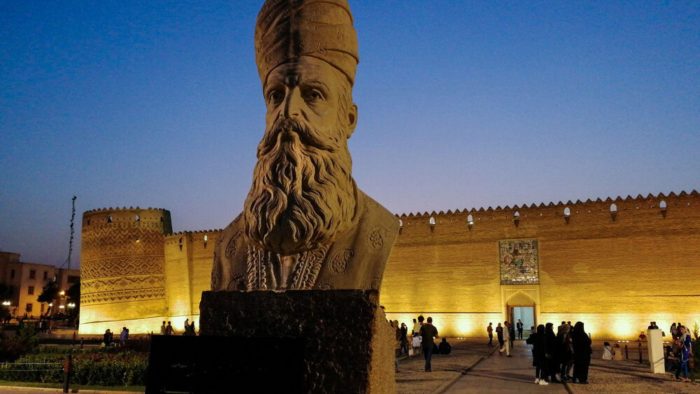

Karim Khan Citadel is one of Shiraz’s most significant historical landmarks, dating back to the Zand Dynasty. Once the royal residence of Karim Khan Zand, this grand structure is a unique blend of a military fortress and an elegant palace.
Why Is It Called "Karim Khan Citadel"?
When Karim Khan Zand chose Shiraz as his capital, he ordered the construction of this citadel and made it his residence. After the fall of the Zand dynasty, the Qajars took over the citadel, and during the Pahlavi era, it was even repurposed as a prison!
A Fortress That Commands Power
With its four towering bastions, thick walls, and a lush courtyard, the citadel radiates both strength and grandeur. Each 14-meter-high tower was once used for watchtowers and defense. Interestingly, one of the towers has tilted over time due to ground subsidence, making it a fascinating feature of the structure!
Why Visit Karim Khan Citadel?
The Grandeur of Zand Architecture – A remarkable fusion of military strength and artistic elegance.
Historical Murals – Beautiful wall paintings from the Zand era still remain inside the citadel.
The Leaning Tower Mystery – The southeastern tower has slightly tilted over time, sparking intriguing stories and local legends.
Karim Khan Citadel: A Tale of Power and History
Once the seat of Zand dynasty rule, this citadel remains one of Shiraz’s most captivating attractions. If you’re passionate about history and architecture, don’t miss the chance to explore this mighty fortress!
Afif-Abad Garden: A Blend of Art, History, and Nature in Shiraz
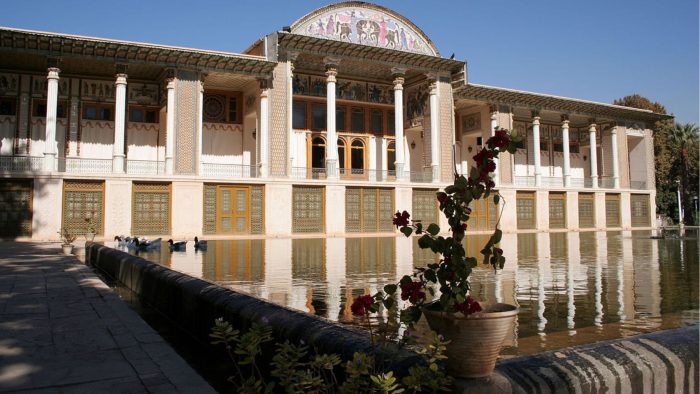

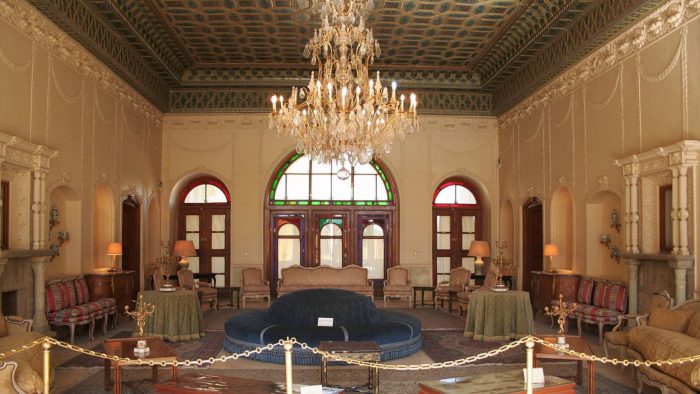
Afif-Abad Garden is one of Shiraz’s most exquisite historical gardens, combining lush greenery, stunning architecture, and a rich history. Once a royal retreat, this magnificent site has now been transformed into a military museum, making it one of the city’s most fascinating attractions.
The Story Behind the Name "Afif-Abad"
Originally built during the Safavid era, the garden was later restored in the Qajar period by Afifeh Khanum, a prominent woman of Shiraz, who gave the garden its name. During the Pahlavi era, the military purchased the estate and used it as a training ground.
A Masterpiece of Architecture and Nature
At the heart of this lush garden stands a majestic Qajar-era mansion, featuring grand columns, intricate tilework, and beautifully decorated ceilings. The garden itself is adorned with towering cypress and palm trees, as well as vibrant flowers, creating a perfect setting for a leisurely stroll.
Why Visit Afif-Abad Garden?
A Unique Military Museum – Home to one of Iran’s most comprehensive collections of antique weapons and military artifacts.
Breathtaking Architecture – The opulent Qajar-era mansion, with its exquisite details, is one of Shiraz’s finest historical buildings.
A Peaceful Green Escape – The tranquil atmosphere, birdsong, and beautiful fountains make it an ideal spot for relaxation and photography.
Afif-Abad Garden: Where History Meets Serenity
This garden is a harmonious blend of history, art, and nature, offering visitors a glimpse into Shiraz’s royal past. If you’re planning a trip to Shiraz, make sure to add Afif-Abad Garden to your list and enjoy its timeless beauty!
Persepolis: The Magnificence of the Ancient Persian Empire
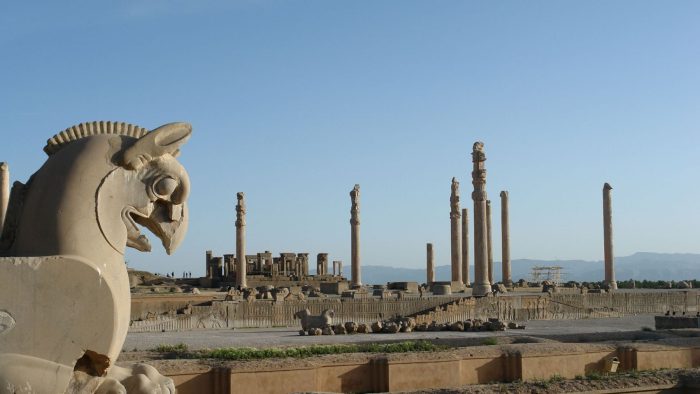
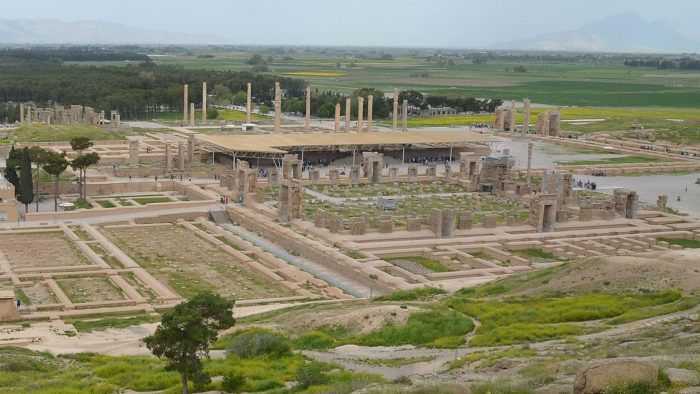
Persepolis, the grand capital of the Achaemenid Empire, stands as one of the greatest architectural and cultural masterpieces of ancient Iran. Built over 2,500 years ago, this awe-inspiring complex symbolizes the power, artistry, and sophistication of the Achaemenids and continues to captivate visitors with its enduring majesty.
The Mystery Behind the Name "Persepolis"
In ancient times, this site was called "Parsa", meaning "The City of the Persians." However, over the centuries, Persian legends associated it with Jamshid, a mythical king in Iranian folklore, leading to the name "Takht-e Jamshid" (Throne of Jamshid). Today, it is recognized as Persepolis, a UNESCO World Heritage Site and a testament to Persia’s golden age.
A Masterpiece of Ancient Architecture
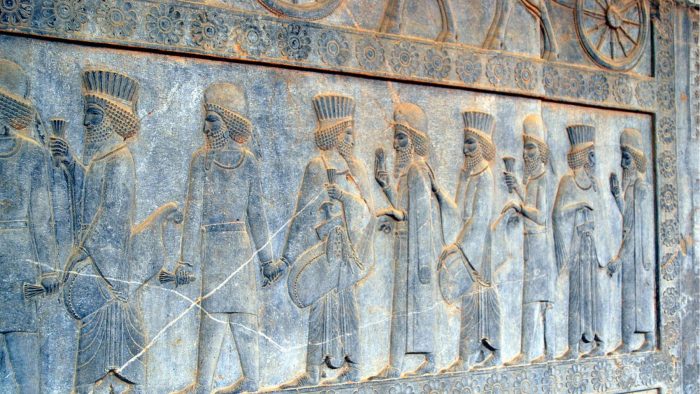
Persepolis was built on a massive stone terrace, featuring magnificent palaces, towering columns, grand staircases, and intricate bas-reliefs. Every structure in this complex reflects the power, organization, and artistic brilliance of the Achaemenid Empire. Key highlights include:
The Apadana Palace – The grand hall where the king received envoys and dignitaries from around the world.
The Tachara Palace – King Darius the Great’s private residence, adorned with highly polished stone surfaces.
The Gate of All Nations – A monumental entrance symbolizing the unity of the empire’s diverse nations.
Why Visit Persepolis?
A Journey Through Ancient History – Walking among the colossal ruins feels like stepping back in time.
Exquisite Stone Carvings – The reliefs depict kings, warriors, and tribute bearers, telling the story of a great civilization.
Unsolved Mysteries – Many aspects of Persepolis, including its construction techniques and hidden chambers, remain shrouded in mystery.
Persepolis: An Eternal Symbol of Persian Grandeur
This legendary site stands as a lasting testament to Iran’s glorious past, attracting historians and travelers from across the globe. If you’re visiting Shiraz
Vakil Bath: A Masterpiece of Traditional Persian Architecture
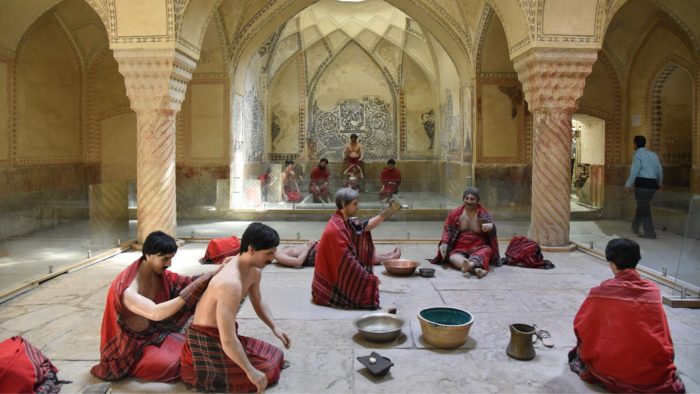
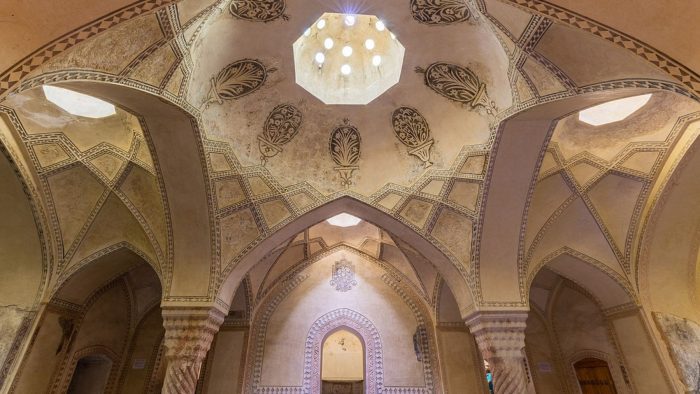
Vakil Bath is one of the most stunning and well-preserved historical Persian bathhouses, built during the reign of Karim Khan Zand. As part of the Vakil Complex (including the bazaar, mosque, and bathhouse), this site showcases architectural brilliance, intelligent engineering, and the rich cultural traditions of old Iran.
The Architectural Genius of Vakil Bath
One of the bath’s greatest features is its advanced heating and ventilation system. Hot water flowed through underground channels, keeping the stone floors warm. The domed ceilings and skylights allowed natural light to filter in while ensuring proper air circulation.
Main Sections of the Bathhouse
Sarbina (Changing Room): A majestic domed hall where visitors prepared for bathing.
Garmkhaneh (Hot Room): The main bathing area, decorated with exquisite tilework and intricate designs.
Khazineh (Water Reservoir): A large pool filled with warm water where people enjoyed their baths.
Why Visit Vakil Bath?
Architectural Beauty: The vaulted ceilings, elegant columns, and delicate tilework create a truly breathtaking atmosphere.
A Glimpse into Persian Daily Life: This bathhouse offers a realistic experience of traditional Iranian bathing culture.
Transformed into an Anthropology Museum: Life-sized wax figures depicting ancient Persian bathhouse customs bring history to life.
Vakil Bath: A Living Piece of History
More than just a historical monument, Vakil Bath is a window into the past, offering insight into the traditions and lifestyle of 18th-century Persia. If you love history and architecture, a visit to Vakil Bath is a must while exploring Shiraz!
Vakil Mosque: A Zand Dynasty Architectural Gem in Shiraz
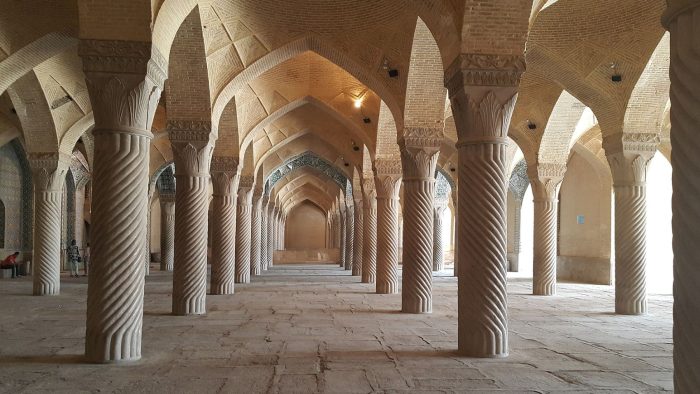
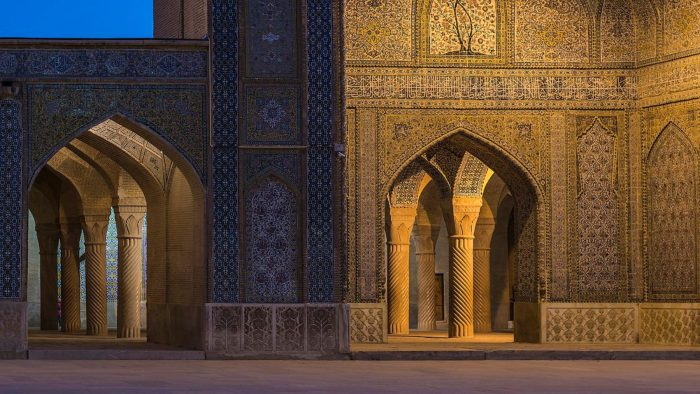
Vakil Mosque is one of the most stunning historical mosques in Shiraz, built during the reign of Karim Khan Zand. As part of the Vakil Complex (bazaar, bathhouse, and mosque), this mosque is a masterpiece of Persian architecture, featuring magnificent stone columns, intricate tilework, and a breathtaking marble pulpit.
Unique Features of Vakil Mosque
Grand Prayer Hall & Majestic Stone Columns: Unlike many Persian mosques, Vakil Mosque has only two prayer halls. The main shabestan (prayer hall) is adorned with 48 intricately carved spiral stone columns, creating an awe-inspiring atmosphere.
Exquisite Marble Pulpit: A 14-step pulpit, carved from a single piece of marble, adds to the mosque's elegance and grandeur.
Breathtaking Tilework: The mihrab and iwans are decorated with vivid turquoise, azure, and golden tiles, showcasing the artistic excellence of the Zand era.
Why Visit Vakil Mosque?
A Symbol of the Zand Dynasty: This mosque is a historical treasure from Karim Khan Zand’s rule, reflecting his dedication to art and architecture.
A Tranquil & Spiritual Space: The mosque’s harmonious design creates a serene and peaceful ambiance.
Close to Other Major Attractions: Located next to Vakil Bazaar and Vakil Bath, allowing you to explore three historical landmarks in one visit.
Vakil Mosque: A Testament to Persian Elegance
A visit to Shiraz is incomplete without exploring Vakil Mosque. Its breathtaking architecture, spiritual ambiance, and rich history make it a must-see destination for lovers of art, history, and culture.
Nasir al-Mulk Mosque: The Magic of Color and Light in Shiraz
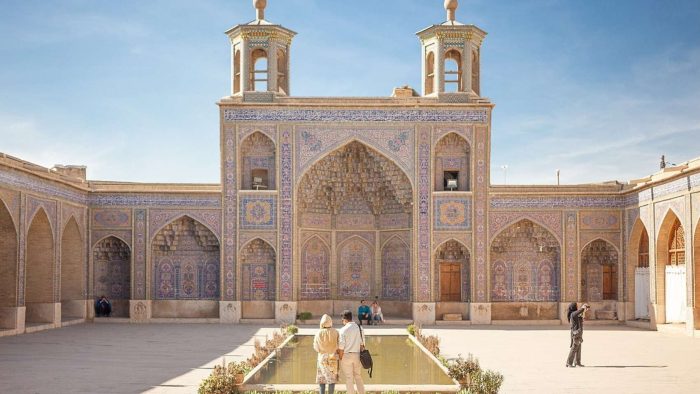
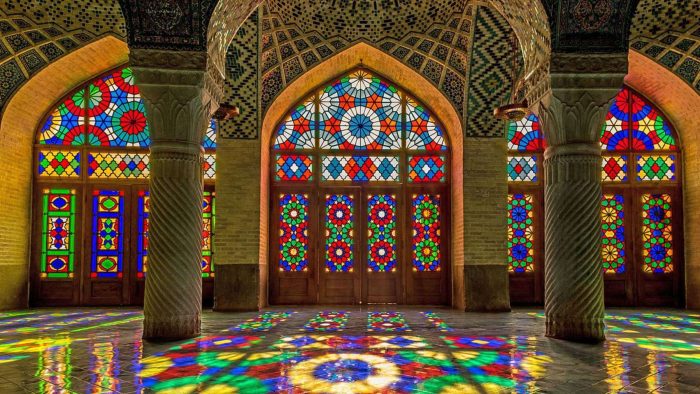
Nasir al-Mulk Mosque, one of the most beautiful and captivating mosques in Iran, is renowned for its vibrant stained glass windows and the stunning play of light within the prayer hall. Known as the "Pink Mosque", it was built during the late Qajar period under the direction of Mirza Hassan Ali Khan Nasir al-Mulk, and it remains one of the most spectacular attractions in Shiraz.
The Secret Behind the Beauty of Nasir al-Mulk Mosque
Stained Glass Windows and Dreamlike Light: When sunlight filters through the colored glass windows, it creates a vibrant carpet of colors on the floors and walls, transforming the mosque into a truly magical space.
Unique Pink Tilework: Unlike most mosques that feature turquoise and blue tiles, Nasir al-Mulk Mosque is famous for its use of pink tiles, giving it its distinctive name, the "Pink Mosque."
Majestic Iranian-Qajar Architecture: The mosque's delicate muqarnas, beautiful arches, and intricate stucco work contribute to its unparalleled elegance.
Why Visit Nasir al-Mulk Mosque?
One of the Most Unique Mosques in the World: Few mosques around the world boast such a striking fusion of color and light.
Best Time to Visit: Early Morning: For the most breathtaking light show, visit early in the morning during sunrise when the light creates a mesmerizing spectacle inside the mosque.
Close to Other Historical Attractions in Shiraz: The mosque is located near Zinat al-Mulk House and Narenjestan Qavam, making it easy to spend a day exploring this historical area.
Nasir al-Mulk Mosque: A Fusion of Art, Light, and Architecture
This mosque is not just a religious site; it is a masterpiece of Iranian architecture and artistry that enchants every visitor. If you are traveling to Shiraz, make sure to prioritize a visit to Nasir al-Mulk Mosque and experience its beauty up close!
Narenjestan Qavam: A Garden of Glory, Art, and History in Shiraz
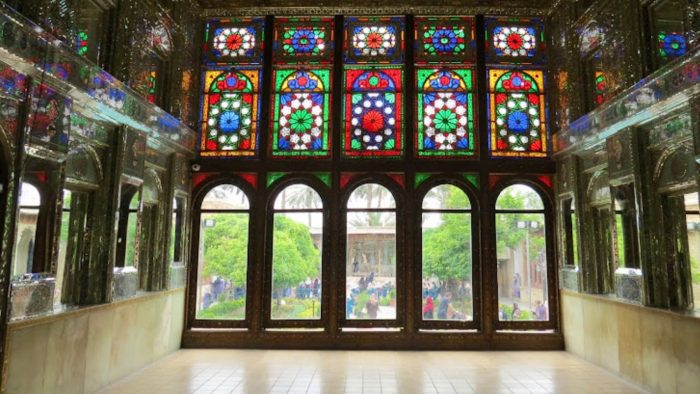
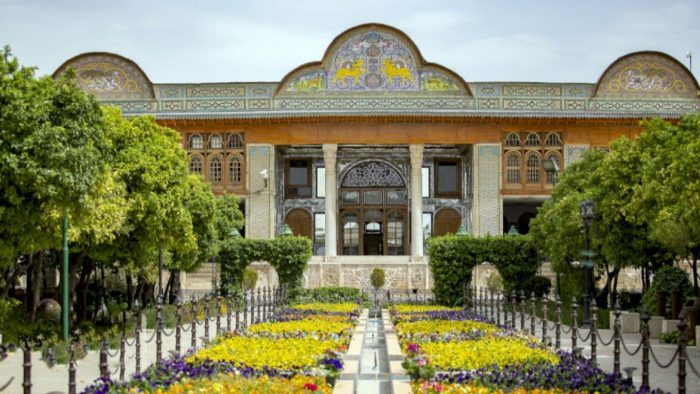
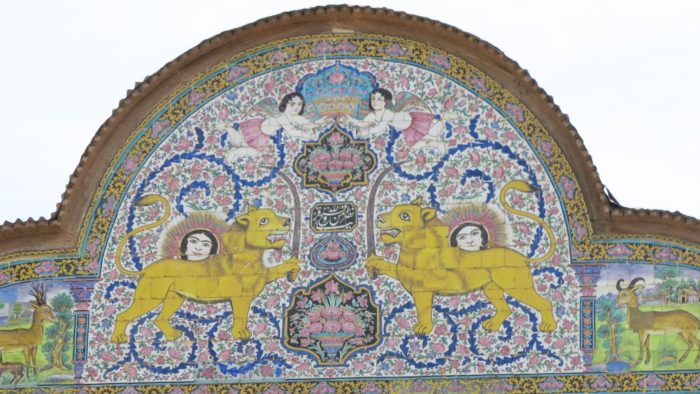
Narenjestan Qavam, one of the most beautiful historical mansions in Shiraz, is a perfect blend of art, architecture, and Iranian culture. This captivating garden, built during the Qajar period under the command of the Qavam family, showcases the spirit of history with its lush courtyard, orange trees, and magnificent decorations.
The Secret Behind the Name of Narenjestan Qavam
The mansion is named "Narenjestan" due to the fragrant orange trees planted in its grounds. The Qavam family, one of the most influential families in Shiraz, used this residence as a place for governing, welcoming guests, and hosting official ceremonies.
A Fusion of Iranian and European Art
Incredible Mirror Work, Stucco, and Tilework: The mansion's intricately carved wooden ceilings, stunning mirror work, and Islamic geometric designs give it an extraordinary splendor.
A Lush and Vibrant Garden: The orange trees, turquoise pools, and colorful flowers create a peaceful and tranquil atmosphere within the mansion's courtyard.
Fusion of Iranian and European Architecture: The combination of European motifs alongside traditional Iranian design adds a unique charm to the mansion.
Why You Should Visit Narenjestan Qavam
A Glimpse into Qajar Aristocracy: Narenjestan Qavam is a magnificent example of Qajar-era aristocratic mansions.
A Dreamy Photography Spot: Every corner of the mansion, with its natural lighting and reflective mirrors, is perfect for capturing memorable photographs.
Close to Other Historical Attractions: Located near Nasir al-Mulk Mosque and Zinat al-Mulk House, Narenjestan Qavam allows you to dedicate an entire day to exploring these historic landmarks.
Narenjestan Qavam: A Glorious Memory of the Past in the Heart of Shiraz
This mansion, one of the most beautiful legacies of the Qajar period in Shiraz, continues to captivate visitors with its beauty and authenticity. If you're traveling to Shiraz, don't miss a visit to Narenjestan Qavam and experience its timeless splendor!

